
TRELLIS 2 Guides & Comparisons
TRELLIS 2 Guides & Comparisons
Verified setup notes, GLB workflows, model explainers, and transparent image-to-3D comparisons.
Best TRELLIS 2 Alternatives for Image-to-3D
Compare five TRELLIS 2 alternatives for topology controls, PBR assets, multi-view input, rigging, export formats, and hosted workflows.
TRELLIS 2 vs Hunyuan3D: Model Comparison
Compare TRELLIS 2 and Hunyuan3D for image-to-3D resolution, face-count control, PBR materials, multi-view input, GLB export, and local use.
TRELLIS 2 vs Meshy: Workflow Comparison
Compare TRELLIS 2 and Meshy for image-to-3D controls, PBR materials, topology, exports, local use, and a fair output test.

How to Export TRELLIS 2 Models to glTF/FBX for Unity, Unreal & Godot
Step-by-step guide to exporting TRELLIS 2 PBR models to game-ready formats. Learn glTF vs FBX, Draco compression, UV fixes, and real engine import workflows.
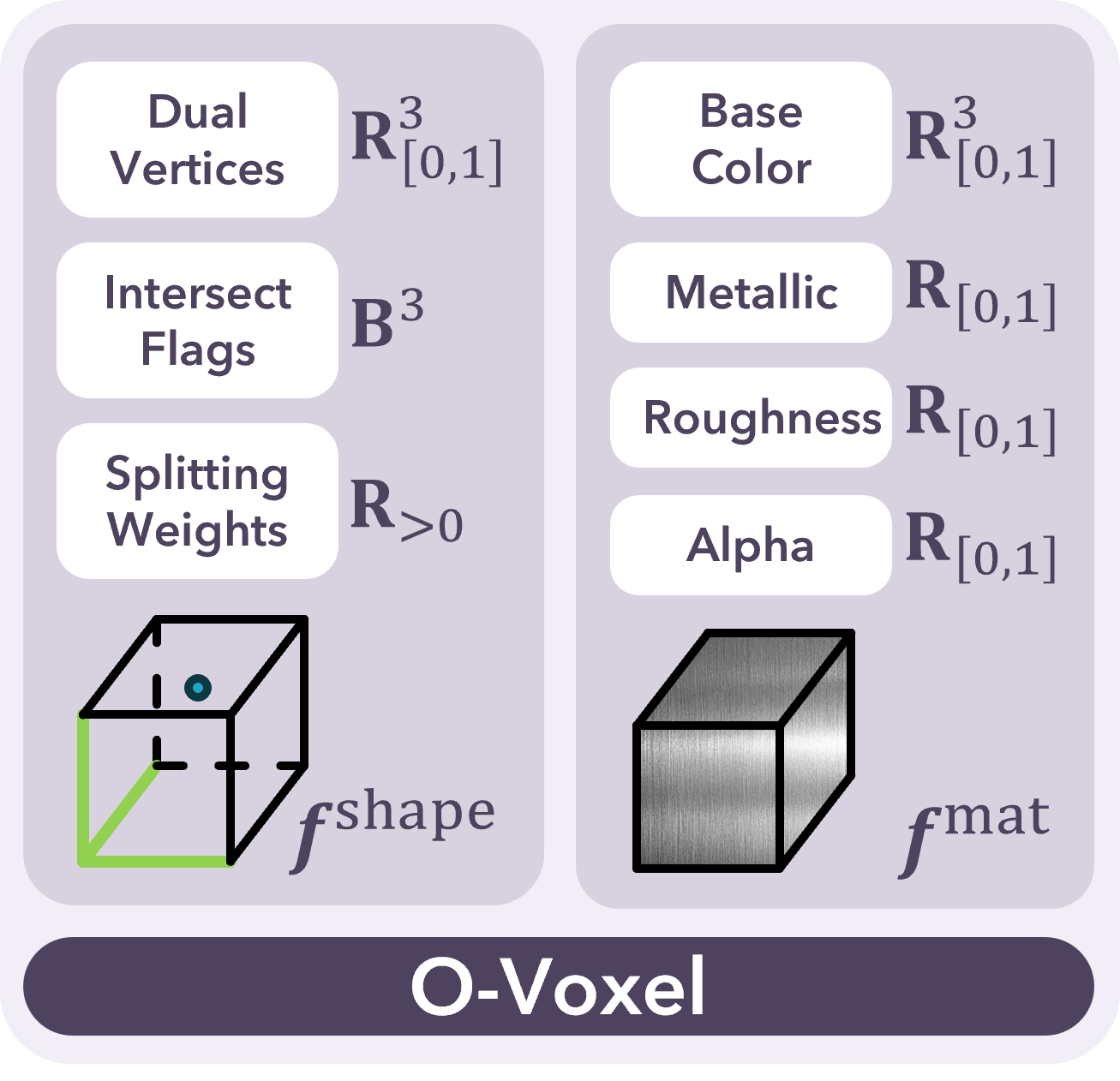
O-Voxel Explained: TRELLIS.2 Geometry and PBR Representation
Understand what Microsoft calls O-Voxel, which topology and material attributes it represents, and which claims come from the official TRELLIS.2 project.

TRELLIS.2 Errors and Fixes: Verified Troubleshooting Checklist
Diagnose TRELLIS.2 Linux, CUDA, submodule, extension, model-loading, memory, and GLB export failures using the official setup boundary.
TRELLIS.2 System Requirements: Verified Local and Web Options
The official TRELLIS.2 Linux, NVIDIA GPU, CUDA, Python, and memory requirements—without unsupported consumer-GPU benchmarks.
How to Install TRELLIS.2 Locally: Verified Linux Setup Guide
Install Microsoft TRELLIS.2 from the official repository with its verified Linux, NVIDIA GPU, CUDA, Conda, and Python requirements.

TRELLIS 2 vs CSM AI: Workflow Comparison and Test Criteria
Compare documented TRELLIS.2 and CSM AI workflows, then use a reproducible image-to-3D benchmark before deciding which output is better.

TRELLIS 2 vs Tripo: Verified Features and a Fair Test Plan
Compare documented TRELLIS.2 and Tripo image-to-3D capabilities, workflow controls, exports, and the benchmark needed before making quality claims.
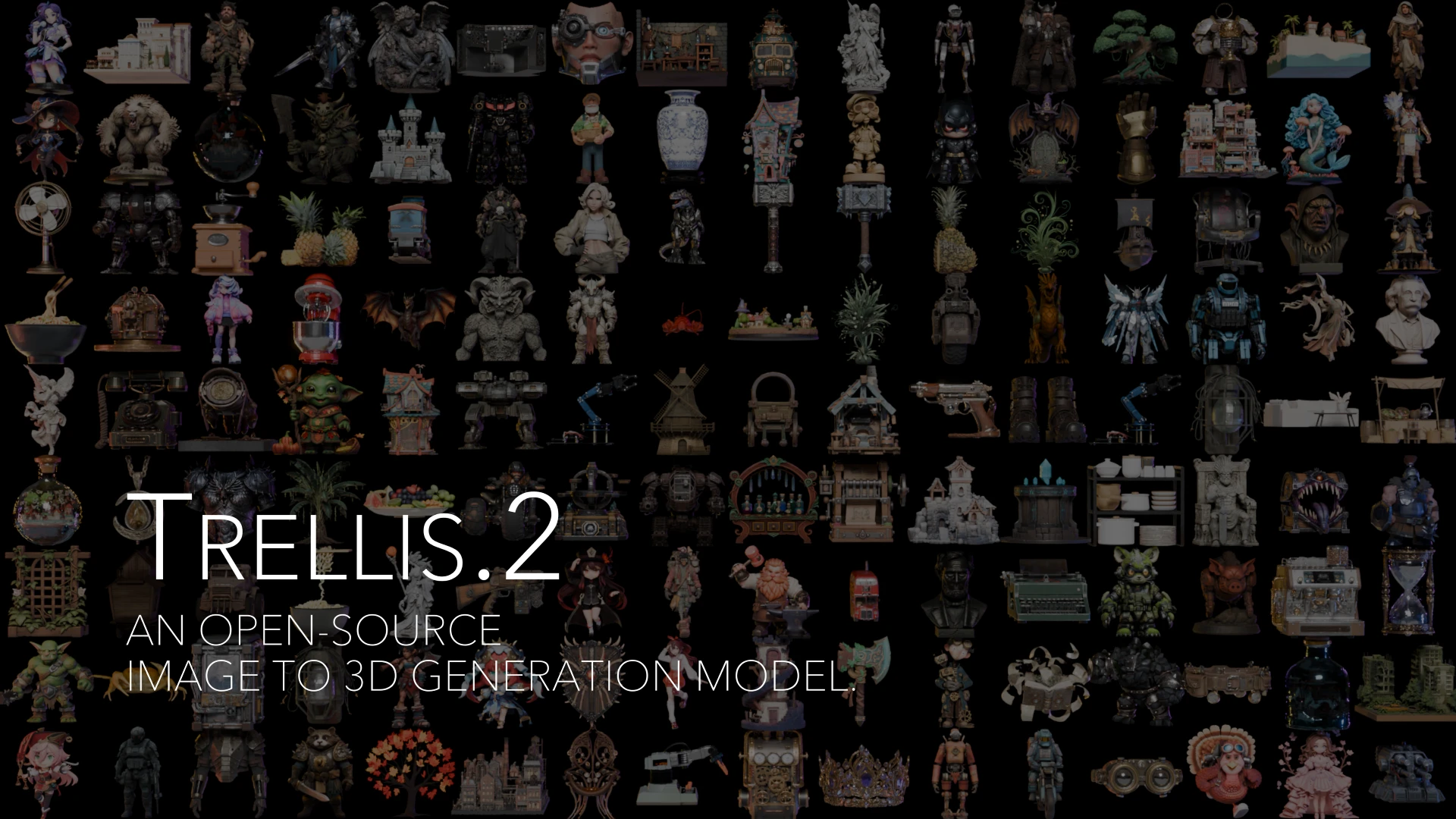
TRELLIS 2 Capabilities, Limits, and Production Evaluation
A source-based review of TRELLIS.2 resolution, topology, PBR materials, performance references, limitations, and production acceptance tests.
How TRELLIS.2 Works: O-Voxel, Structured Latents, and PBR Output
A source-based explanation of the TRELLIS.2 image-to-3D pipeline, O-Voxel representation, sparse 3D VAE, 4B model, and GLB export.